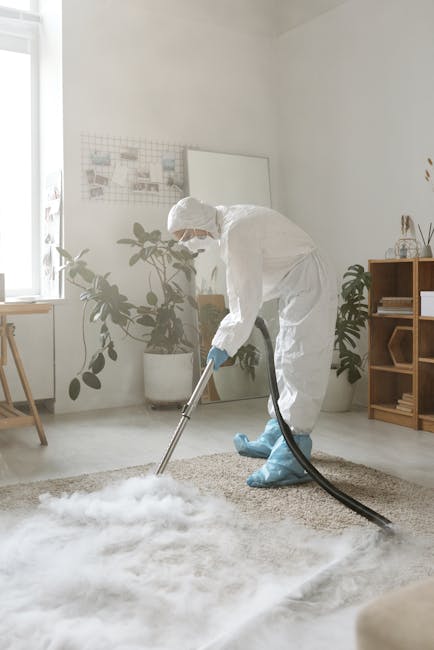
Chemical disposal laws near Putney Pier and riverside: a practical guide for homes, landlords, and businesses
If you live, work, or manage property near the Thames around Putney Pier, chemical disposal laws can feel strangely abstract until something leaks in a cupboard, under a sink, or after a clear-out. Then it becomes very real, very quickly. Chemical disposal laws near Putney Pier and riverside matter because the local environment is sensitive, the streets are busy, and the risk of pollution is not just a legal issue but a practical one. In this guide, we'll break down what you actually need to know, how lawful disposal usually works in the UK, and how to avoid the small mistakes that turn into expensive headaches.
You'll also find a step-by-step process, a comparison of disposal options, and a checklist you can use straight away. No fluff. Just clear, grounded guidance.
Why Chemical disposal laws near Putney Pier and riverside Matters
Riverside locations are brilliant for views, foot traffic, and property value. They are also places where a careless spill can travel faster than people expect. A bit of solvent poured into a drain, leftover paint washed down a sink, or a bucket of harsh cleaner tipped outside can end up affecting water systems, pavements, shared drainage, and neighbouring homes. Near Putney Pier, that matters even more because you are close to the river corridor, where small mistakes are easier to spread and harder to undo.
There is also the simple truth that chemicals do not behave like ordinary rubbish. A half-empty bottle of oven cleaner is not the same as a cardboard box. A can of paint is not the same as a broken mug. The law treats many products as controlled waste, and even when the legal wording feels dry, the logic is straightforward: keep hazardous substances out of places they can harm people or the environment.
For landlords, letting agents, cleaners, and local businesses, this has a second layer. If waste handling is sloppy, the problem can show up during inspections, tenancy disputes, insurance claims, or even just a complaint from a neighbour who noticed a strong smell in the bin store. To be fair, most people do not set out to break the rules. They just want the mess gone. But "gone" has to mean properly removed, not casually hidden.
Expert summary: The safest approach near riverside areas is simple: identify the chemical, keep it separate, store it securely, and use a lawful disposal route that matches the product type. If in doubt, do less, not more. Don't mix things. Don't dilute randomly. Don't tip anything into a drain because it looks harmless.
How Chemical disposal laws near Putney Pier and riverside Works
In practical terms, chemical disposal in the UK usually works on a few common principles. The product type matters, the quantity matters, and the disposal route matters. Household bleach, leftover decorators' products, strong cleaning acids, solvents, pesticides, adhesives, and certain trade chemicals may all need different treatment.
Here's the plain-English version. First, you identify whether the item is a normal non-hazardous household product or something that could be classed as hazardous, harmful, flammable, or environmentally damaging. Then you check the label, the safety information if you have it, and the condition of the container. Finally, you choose the right route: keep it for approved collection, take it to a suitable facility, or ask a licensed waste handler if it is a larger or commercial quantity.
For local residents, this often comes down to storage until you can dispose of it safely. For businesses, there is usually more formality. Trade premises should keep waste separated, labelled, and handled in line with duty-of-care expectations. If that sounds a bit legal and stiff, it is because waste law can be unforgiving when records are missing. A neat label and a sensible waste log can save a lot of back-and-forth later.
Riverside and waterfront settings also bring drainage awareness into the picture. Some chemicals can pollute surface water if they are released into gullies, external drains, or washed into the ground. Even small amounts can be an issue. If you are cleaning after renovation, a tenant move-out, or a deep clean, it often helps to plan disposal at the same time as the work itself. A service like after builders cleaning may involve residues, dust, and packaging that need careful handling, not just a quick sweep and bin job.
Key Benefits and Practical Advantages
Following the rules is not just about avoiding trouble. Done properly, chemical disposal gives you a few real-world advantages that people often overlook until they experience the opposite.
- Reduced environmental risk: You avoid sending corrosive or toxic substances into waterways, drains, or shared waste areas.
- Safer homes and workplaces: Less chance of fumes, leaks, accidental mixing, or skin contact.
- Cleaner compliance records: Particularly useful for landlords, offices, hospitality, and commercial premises.
- Fewer neighbour disputes: No unpleasant smells, spilled containers, or suspicious bags in communal bins.
- Better insurance position: Safe handling and clear procedures can matter if a claim ever arises.
There is also a very practical benefit: once you create a simple disposal routine, the whole thing becomes less stressful. You stop wondering whether a bottle can go in general waste, whether a cleaning fluid is safe to tip away, or whether that old tin in the utility room is suddenly a problem. It feels oddly satisfying when the cupboard is tidy and you know the contents are handled properly. A bit boring, maybe. But in a good way.
For businesses especially, a clean disposal process supports wider sustainability goals. If your operation also includes services such as commercial cleaning or regular premises upkeep, it makes sense to align waste handling with your broader recycling and sustainability approach. The benefit is not just compliance. It is consistency.
Who This Is For and When It Makes Sense
This topic is relevant to more people than you might think. If you fit into any of the groups below, it is worth understanding the basics.
- Homeowners and tenants: Especially if you have leftover cleaning fluids, garden chemicals, paint, or DIY products.
- Landlords and letting agents: End-of-tenancy clear-outs often uncover mystery bottles and partially used products.
- Small businesses: Offices, shops, and studios usually keep more cleaning stock than they realise.
- Hospitality operators: Airbnb hosts, cafes, and serviced accommodation need neat, predictable waste routines.
- Cleaners and facilities teams: You may handle stronger products and larger volumes than a typical household.
- Property clearance teams: A loft or basement clear-out can reveal old solvents, aerosols, and unknown containers.
This becomes especially relevant after a move, a renovation, or a deep clean. A household can go years without thinking about chemicals, then suddenly everything surfaces at once. Old bathroom products. Half-used degreasers. A cracked spray bottle. A suspicious tin with no label. That is the moment to slow down, not speed up.
If you manage shared spaces, you may also need to think about communal storage and contamination risks. A service such as communal area cleaning can reduce grime and improve hygiene, but chemical storage still needs its own logic. Cleaning and disposal are related. They are not the same thing.
Step-by-Step Guidance
Here is a practical process you can follow when dealing with chemical disposal laws near Putney Pier and riverside. It is deliberately simple, because simplicity helps you avoid mistakes.
- Identify the substance. Read the label. If it is faded or missing, look for safety symbols, product names, and any old instructions on the container.
- Separate chemicals from general waste. Do not bin them with ordinary rubbish unless you are sure they are permitted there.
- Check the container condition. Leaks, rust, loose caps, and bulging tins all increase risk.
- Keep incompatible products apart. Bleach and acids, for example, should never be mixed. Same with unknown chemicals. Just don't.
- Store securely until disposal. Use a cool, dry place away from heat, food, children, and pets.
- Choose the right disposal route. Household amounts may be handled differently from trade waste or large volumes.
- Document anything unusual. If you are a business or landlord, keep a note of what was removed and when.
- Use approved professional help where needed. For larger clear-outs or mixed waste, specialist support is often the safest option.
If you are dealing with a property that needs a broader reset, it can help to combine disposal planning with a proper clean. For example, a one-off clearance may reveal containers tucked behind appliances, inside cupboards, or in sheds where nobody has looked for years. The odd smell in an old under-sink cabinet? Yes, that usually means something has been leaking. Not ideal.
For the finishes and surfaces left behind after disposal, some readers find it useful to think beyond the waste item itself. Once chemicals are gone, areas may still need attention from deep cleaning or specialist surface care, especially where spills have affected floors or storage units. If you are handling hard surfaces, hard floor cleaning is often more appropriate than standard wiping because it can remove residues more thoroughly.
Expert Tips for Better Results
A few small habits make chemical disposal much safer and much less irritating. In our experience, the people who have the smoothest process are not the ones with fancy equipment. They are the ones who stay organised.
- Keep original packaging where possible. It is the easiest way to identify what you are dealing with.
- Photograph unknown containers. Useful for internal records or for asking a licensed waste professional.
- Do a monthly cupboard check. It takes five minutes and prevents bottle clutter.
- Use spill trays in storage areas. A tiny precaution, but very effective.
- Never "air out" chemicals near open drains or outside gullies. Ventilation is good; pollution is not.
- Plan chemical disposal alongside other waste jobs. If you are already organising a house clearance, this is the moment to deal with the awkward containers.
One more thing: if you run a property with regular footfall, such as an office or short-let, make disposal part of the routine rather than a panic response. A tidy stock room is easier to manage than a surprise pile of half-used products from three different tenants. Truth be told, that surprise pile is where most of the stress lives.
Common Mistakes to Avoid
The same errors come up again and again. None of them are dramatic on their own, but together they create real risk.
- Pouring chemicals down the sink or toilet: This is one of the worst habits. It may damage plumbing and can create environmental harm.
- Mixing products "to make them weaker": That is how toxic fumes and reactions happen. Not worth it.
- Leaving containers open in communal areas: Strong smells and accidental contact become more likely.
- Throwing unknown items into household bins: If you cannot identify it, do not guess.
- Ignoring old or damaged labels: Missing labels make safe disposal harder, not easier.
- Assuming all cleaning products are harmless: Some are mild, some are not. The bottle tells the story.
A common local scenario is the post-renovation clear-out. Someone finds old paint thinners, adhesive removers, or a dusty tin in the back of a garage and decides the quickest route is the bin. That is usually where the trouble starts. If the product has evaporated, split, or corroded its lid, it needs more care, not less.
Another easy mistake is forgetting that related waste can also be a problem. Rags, wipes, absorbent pads, and empty containers may still contain residue. They are not automatically harmless just because the liquid is gone. Annoying, yes. But important.
Tools, Resources and Recommendations
You do not need a complicated toolkit to manage chemical disposal sensibly. A few basics are enough for most households and small businesses.
| Tool or resource | What it helps with | Why it matters |
|---|---|---|
| Label marker or tape | Identifying decanted or unlabelled containers | Prevents guesswork later |
| Spill tray or leak-proof box | Temporary storage | Contains minor leaks safely |
| Disposable gloves | Handling dirty or suspect containers | Reduces contact risk |
| Notebook or digital log | Waste records | Useful for landlords and businesses |
| Secure shelving | Storage away from children and pets | Improves safety in the home |
For property owners and managers, it is also worth keeping your wider building upkeep in shape. Regular maintenance services such as gutter cleaning and window cleaning won't solve chemical disposal by themselves, of course, but they do reduce the broader mess and damp that can make storage areas worse over time. Damp cupboards and poorly kept service rooms are never a good mix with chemicals.
If you are handling waste after a vacant property or pre-let reset, services such as end of tenancy cleaning or move out cleaning may help bring order to the space after risky items have been removed. It is often easier to deal with disposal first, then clean surfaces, then re-check storage. A little sequence goes a long way.
Law, Compliance, Standards, or Best Practice
Without turning this into a legal lecture, the key idea is that chemical disposal is governed by waste management principles, environmental protection duties, and common-sense safety rules. In the UK, household and trade waste are not treated exactly the same way. Businesses generally have a stronger duty to keep records, segregate waste, and use appropriate disposal routes. For anyone working near waterways or shared drainage, extra care is sensible because of the pollution risk.
Best practice usually includes the following:
- Do not discharge chemicals into drains, soil, or watercourses.
- Keep hazardous and non-hazardous waste separate where practical.
- Retain original labels and container information.
- Use a lawful disposal route that matches the product category and quantity.
- Train staff if chemicals are used regularly.
- Keep incident notes if there has been a leak, spill, or unknown substance.
If you operate commercially, this should sit alongside your general safety procedures. A documented health and safety policy and sensible insurance and safety practices are not just paperwork. They give you a framework when something awkward happens, which it sometimes does. That is life, really.
For clients and property owners who want to understand how a provider handles operational standards, looking at a company's terms and conditions and privacy policy can also be useful. It won't tell you how to dispose of bleach, but it does show whether the business takes process seriously. Small detail, big clue.
Options, Methods, or Comparison Table
There is more than one way to deal with chemicals, but not every route is suitable for every situation. Here is a simple comparison to help you choose wisely.
| Method | Best for | Pros | Watch-outs |
|---|---|---|---|
| Keep until suitable disposal | Small household quantities | Simple, safe, often the easiest option | Needs secure storage and clear labelling |
| Professional waste removal | Large volumes, trade waste, mixed unknowns | Efficient, compliant, less stress | Usually costs more than self-management |
| Special handling with records | Businesses and landlords | Supports duty-of-care and internal control | Needs discipline and good admin |
| Surface remediation after a spill | Properties with residue or damage | Restores cleanliness and reduces lingering risk | Does not replace lawful disposal of the chemical itself |
In a domestic setting, keeping the item secure until you can dispose of it correctly is often enough. In a business setting, especially if chemicals are used routinely, you may need a more formal process. That could include storage checks, staff instructions, and a consistent collection arrangement. If there is carpet or upholstery contamination from a spill, specialists such as carpet cleaning or upholstery cleaning may help remove visible staining after the chemical itself has been dealt with. Different job, same overall objective: reduce risk and restore the space.
Case Study or Real-World Example
Here's a realistic scenario from a riverside flat, the sort of thing that happens more often than people admit. A landlord is preparing a property near Putney Pier after a long tenancy. In the utility cupboard, they find a mix of old bathroom cleaner, a cracked bottle of descaler, half a tin of paint, and a spray can with a damaged nozzle. Nothing dramatic. Just awkward.
At first glance, it would be tempting to throw the lot into black bags and move on. But because the containers were partially leaking and one product was unidentified, the safer route was to separate the items, keep them upright in a sealed box, and arrange proper disposal. After that, the cupboard was cleaned, the shelf checked for residue, and the surrounding area wiped down carefully. A faint chemical smell lingered for a while, which is exactly the kind of clue people ignore too early.
The key lesson was simple: the waste problem and the cleaning problem were connected, but not identical. The chemical disposal had to be handled properly first. Then the surface work could begin. That order mattered.
It's a small example, but it shows why riverside properties need a careful approach. When the environment is sensitive and buildings often share services, shortcuts create more work later. A bit more attention at the start saves a lot of fiddly cleanup afterwards.
Practical Checklist
Use this checklist before you throw away, store, or hand over any chemical waste near Putney Pier and riverside.
- Have I identified the product clearly?
- Is the container intact and sealed?
- Have I kept incompatible chemicals apart?
- Have I avoided sinks, toilets, drains, and outdoor gullies?
- Is the item stored away from heat, children, and pets?
- Do I know whether it is household waste, trade waste, or unknown waste?
- Have I kept the original label or taken a photo of it?
- Do I need professional help because the quantity is large or the items are mixed?
- Has any spill or residue been cleaned separately and safely?
- For a business or landlord, have I recorded what was removed and when?
If you can tick most of those boxes, you are already ahead of the average frantic clear-out. And honestly, that is half the battle.
Get a free quote today and see how much you can save.
Conclusion
Chemical disposal laws near Putney Pier and riverside are not there to make life awkward. They are there because chemicals behave differently from ordinary waste and because riverside locations deserve extra care. Once you understand the basics, the process becomes much easier: identify the product, store it safely, keep it away from drains, and choose the right disposal route.
For households, that may simply mean better cupboard habits and a more thoughtful clear-out. For landlords and businesses, it often means a more formal system with records and routine checks. Either way, the goal is the same: protect people, protect property, and protect the river environment that makes the area so special in the first place.
Take your time, stay organised, and don't be afraid to ask for help when a container looks suspicious. A careful approach is never wasted. In fact, it usually makes everything else easier too.
Frequently Asked Questions
Can I pour household chemicals down the sink near Putney Pier?
Usually, no. Even small amounts can be harmful, and some products can damage plumbing or pollute drainage. If you are unsure, treat the item as requiring safe disposal rather than guessing.
What counts as a chemical rather than ordinary household waste?
Cleaning fluids, solvents, paints, pesticides, strong descalers, adhesives, aerosols, and similar products are all worth treating carefully. If a product has a hazard symbol or a strong warning label, do not dispose of it casually.
Do empty chemical containers still need special handling?
Sometimes, yes. If residue is still present, the container may still be risky. A container that smells strongly, feels sticky, or has visible liquid inside should not be treated like a normal empty bottle.
Are riverside properties more sensitive when disposing of chemicals?
Yes, in practice they often are. The proximity to water, shared drainage, and dense housing means spills and careless disposal can create wider problems faster. That is why caution matters more near the river.
What should I do with old paint or white spirit?
Keep it sealed, keep it away from heat, and arrange disposal through a lawful route suitable for hazardous or trade-type waste if needed. Do not tip it into drains or mix it with other products.
Can landlords leave chemical disposal to tenants?
Not really, not if the landlord is responsible for the condition of the property or if waste remains after a tenancy ends. Clear expectations help, but the end result still needs to be lawful and safe.
How do I handle unknown bottles found during a clear-out?
Do not open them unless you have a safe reason and appropriate protection. Keep them separate, note what you can see on the label or container, and treat them cautiously until identified.
Is it enough to put chemicals in a sealed bin bag?
No, not on its own. A sealed bag does not make a chemical safe. Some products can leak, react, or contaminate other waste. Use the right disposal method for the product type.
What if a chemical has already spilled on flooring or fabric?
Secure the source first, then clean the affected area safely. Depending on the material, you may need specialist cleaning for carpets, upholstery, or hard floors after the chemical itself has been removed.
Do businesses need records for chemical disposal?
Usually, yes, at least in sensible best-practice terms. Waste logs, collection notes, and clear internal procedures are helpful for compliance, accountability, and insurance purposes.
Can cleaning companies help with chemical-related mess?
Yes, they can often help with the aftermath, such as residue, staining, or general decontamination of surfaces. Just remember that cleaning the surface is different from disposing of the chemical itself.
What is the safest first step if I'm not sure what a product is?
Stop and isolate it. Keep it upright, keep it away from heat and people, and do not mix it with other items. If necessary, get professional advice before moving it further.
For more practical support around property cleaning, maintenance, and waste-aware upkeep, it can help to work with a team that understands the realities of busy Putney homes and commercial spaces. Small decisions handled well tend to keep the bigger ones calm, which is no bad thing.