Carpet Cleaning
 Upholstery Cleaning
 End Of Tenancy Cleaning
 Domestic Cleaning
 House Cleaning
 Office Cleaning


Pet Odour and Stain Treatment in Putney Flats
Posted on 14/05/2026
Pet Odour and Stain Treatment in Putney Flats: A Practical Guide for Fresher, Healthier Homes
If you live in a flat in Putney, you already know the challenge: pet life is lovely right up until a damp patch appears on the carpet, or that stubborn smell lingers near the hallway after a rainy walk. Pet odour and stain treatment in Putney flats is not just about making things look nice again. It is about restoring comfort, protecting flooring, keeping a rental deposit safe, and making a home feel properly lived in rather than vaguely haunted by yesterday's accident. Truth be told, the sooner you deal with it, the easier it usually is.
This guide breaks down what works, what doesn't, and how to approach the problem in a way that suits compact London living. You'll find practical steps, sensible cautions, and a few small real-world pointers that make a difference in flats, where airflow, soft furnishings, and shared building layouts can all affect the result. If you want a broader look at related services, you may also find the services overview useful, especially if you are comparing carpet, upholstery, or domestic cleaning support.
There's no magic wand here. But there is a clear process, and once you understand it, the whole job becomes much more manageable.
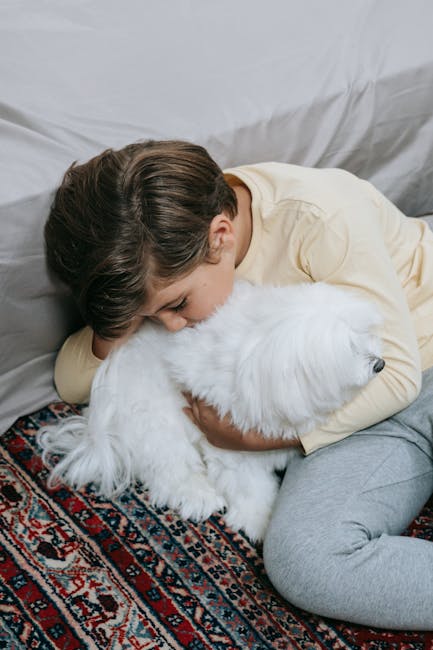
Why Pet Odour and Stain Treatment in Putney Flats Matters
In a flat, smells and stains behave differently from the way they do in a larger house. A small lounge, a compact hallway, or a bedroom with limited ventilation can hold onto odours longer than you expect. Add soft furnishings, underlay, rugs, and a pet that likes the same corner every day, and the issue can become stubborn quickly.
It matters for several reasons. First, odour affects how your home feels. Even when a stain looks faint, the smell can make a room feel unclean. Second, untreated pet accidents can soak deeper than the surface. That means the visible patch may be only part of the story. Third, in rented flats, lingering odour or damage can become a deposit issue when move-out day comes around. If you are in that stage already, the page on end of tenancy cleaning in Putney is worth a look because these jobs often overlap.
There is also the simple comfort factor. Most people do not want visitors catching a whiff of wet dog near the skirting board, or spotting a tell-tale mark by the sofa. It's one of those things that can quietly nag at you every day.
Pet stain treatment is not only about the mark you can see. It is about the residue you can smell.
And in flats, that residue has a habit of hanging around a bit longer than you'd like.
How Pet Odour and Stain Treatment in Putney Flats Works
Effective treatment starts with understanding what caused the issue in the first place. Pet odours are often made up of organic residue, moisture, and bacteria. Stains may be urine, mud, saliva, food, or a mixture of all three. The treatment approach changes depending on the surface and how long the problem has been there.
On carpets, the process usually involves locating the affected area, removing loose debris, applying the right solution to break down residue, and then extracting as much moisture as possible. For upholstery, you need even more care because cushions, seams, and fabric backing can trap smells in hidden layers. That's where upholstery cleaning in Putney can become relevant, particularly if your pet has claimed the sofa as a second home. Which, let's face it, many of them do.
The key is not just cleaning the top layer. Odour treatment often requires working through the pile or fibres, then drying thoroughly so the problem does not reappear as the fabric dries. If a cleaner only masks the smell, it may return in a day or two. If the residue is removed properly, the improvement tends to last much longer.
Professional treatment typically includes:
- spot inspection and stain identification
- pre-treatment for organic matter
- targeted agitation or fibre-safe cleaning
- hot water extraction or controlled rinsing where suitable
- deodorising as a finishing step, not a substitute for cleaning
- careful drying and aftercare advice
The most important point? The surface must be treated according to its material. A wool carpet, a synthetic carpet, and a velvet chair all need different handling. That is the part people sometimes underestimate.
Key Benefits and Practical Advantages
There are obvious benefits, of course. But the practical gains are where this work really pays off.
1. A cleaner, more comfortable flat
Once the smell is gone, the flat feels fresher straight away. You notice it in the hallway first. Then the room feels calmer, less closed in. It sounds small, but in a compact Putney flat that difference is huge.
2. Better protection for carpets and fabrics
Pet accidents that sit too long can weaken fibres, dull colours, and leave discoloured patches behind. Dealing with them early reduces the chance of permanent damage.
3. Fewer repeat incidents in the same area
Pets often return to the same spot if the smell remains. Proper odour removal helps stop that cycle. This is one of those awkward little facts of pet ownership nobody mentions much.
4. Stronger deposit and handover outcomes
If you rent, you will usually want the flat to look and smell as close to original condition as possible. In move-out situations, combining targeted treatment with a broader clean can be the sensible route. For some households, that means choosing a full domestic cleaning service in Putney alongside stain removal.
5. Better indoor comfort for guests and family
Pet odour can become "background" to the owner and still be obvious to everyone else. A proper clean removes that familiar blind spot. That alone is worth quite a lot.
| Outcome | What it means in practice | Why it matters in a flat |
|---|---|---|
| Odour reduction | Smells are neutralised rather than covered | Limited ventilation makes untreated odour more noticeable |
| Stain improvement | Visible marks are lifted or lightened | Smaller rooms make floor damage more obvious |
| Surface protection | Cleaning is matched to the material | Prevents extra wear on carpets and upholstery |
| Better hygiene | Organic residue is removed | Helps maintain a healthier living environment |
Who This Is For and When It Makes Sense
This kind of treatment is useful for a few different people, and the need is not always dramatic. Sometimes it is a small recurring issue, not a disaster.
- Pet owners in rented flats who want to protect their deposit and avoid awkward move-out surprises.
- Homeowners who simply want to keep carpets and furniture in good shape for longer.
- Landlords or letting agents dealing with a flat that needs to be ready for viewings or new occupants.
- Busy households where accidents happen and quick spot cleaning has not quite solved the issue.
- People with guests or shared living arrangements where odour control matters more than usual.
It also makes sense after illness, muddy weather, a puppy phase, or a pet who has had a brief period of being unwell. Puppies especially. They can be adorable and chaotic in equal measure, which is charming until the hallway rug starts telling a different story.
If the problem is on the flooring as well as the fabric, you may want to look at a dedicated carpet cleaning service in Putney rather than just treating the visible patch yourself.
Step-by-Step Guidance
Here is a practical way to approach pet odours and stains without making the situation worse.
Step 1: Identify the surface and the source
Start by checking whether the issue is carpet, rug, upholstery, mattress, or hard flooring. Then think about what caused it. Urine, muddy paws, vomit, and food stains all behave differently. If you skip this part, you risk using the wrong product and spreading the mark.
Step 2: Blot, don't scrub
If the area is fresh, blot it gently with an absorbent cloth. Scrubbing can push residue deeper and roughen the fibres. A calm, patient approach usually wins.
Step 3: Use a suitable pre-treatment
For organic stains, a suitable pre-treatment can help loosen the residue before full cleaning. The exact product and method should depend on the fabric. On delicate upholstery, less is often more.
Step 4: Extract or rinse carefully
Once the stain has been treated, remove the cleaning solution and loosened residue thoroughly. This is one of the reasons professional cleaning can outperform DIY spot treatment. If the moisture and residue stay behind, so can the smell.
Step 5: Dry properly
Drying matters more than people think. A damp carpet in a flat with limited air movement can hold a stale smell even after the stain has faded. Open windows where practical, use airflow, and avoid walking across the area until it is dry enough.
Step 6: Check after drying
Once the area is fully dry, inspect it again in daylight. Sometimes a stain looks better while damp, then becomes more visible later. A spot that still smells may need a second treatment rather than another splash of deodoriser.
Step 7: Treat the surrounding area if needed
Odour can spread beyond the obvious patch, especially under furniture or along edges where air circulation is poor. If the issue has been there for a while, the surrounding area may need cleaning too. That's normal.
A small but important note: if you are moving out, combine this with a broader property tidy-up. A specialised house cleaning service in Putney can help finish the job properly, rather than leaving one clean corner in an otherwise tired-looking flat.
Expert Tips for Better Results
These are the details that often separate a decent result from a really good one.
- Act quickly. Fresh stains are far easier to remove than old, dried-in ones.
- Test first. Always test any cleaning solution on a hidden area before applying it to a visible patch.
- Use the right amount of moisture. Too much liquid can spread the stain or push it deeper.
- Deal with the smell, not just the mark. Odour control needs actual cleaning, not a scented cover-up.
- Keep pets away while drying. Otherwise, you may end up doing the same job twice. Ask me how I know. Well, no need really.
- Check under furniture. A sofa edge, cat bed, or radiator side can hide the true extent of the issue.
- Match the method to the fabric. Natural fibres, synthetics, and blended materials behave differently.
For local context and a bit of Putney reading in between jobs, some readers enjoy browsing a local resident's view of Putney or even the broader area piece on the charms of Putney. Not directly cleaning advice, admittedly, but a useful reminder that local homes come in all shapes and sizes.

Common Mistakes to Avoid
A lot of repeat staining and lingering odour comes down to a few avoidable habits.
Using strong perfume-heavy products
These may make the room smell better for an hour, but they can mix badly with pet residue and leave an unpleasant chemical note behind. They do not solve the source.
Over-wetting carpets or cushions
Too much water can drive the problem deeper into the backing or filling. In flats, where drying can already be slower, this is a common way to make things worse.
Scrubbing too hard
Scrubbing can damage fibres and spread the stain. Gentle blotting and controlled treatment are far safer.
Ignoring hidden areas
People often clean the obvious centre of the stain and miss the edges, the underlay, or the base of the sofa. Then the smell comes back. Annoying, but very normal.
Waiting too long
The longer a stain stays in place, the more it bonds with the fibres and the underlay. A quick response is almost always cheaper and easier than a rescue job later.
Assuming one method fits every surface
A carpet cleaner may be fine for synthetic flooring but too harsh for a delicate fabric chair. If in doubt, go slowly. Or ask for advice before you risk a bigger problem.
Tools, Resources and Recommendations
You do not need a huge kit to handle a small incident, but the right basics make life easier.
- clean white cloths or paper towels for blotting
- a soft brush for loosening dry material gently
- a fabric-safe cleaning product suitable for the stain type
- gloves if you are dealing with an unpleasant or long-standing accident
- fans or good airflow for drying
- a vacuum cleaner with a clean filter for dry debris
For larger jobs, the best "tool" may be a professional visit rather than trying to improvise. If you are comparing help across your home, it can be useful to review home cleaning in Putney SW15 as a broader support option, especially when pet issues are part of a larger clean-up.
Also, if you want a sense of service style, customer care, or what others have experienced, the reviews page can help build confidence before you book. It is a small thing, but it often makes the decision easier.
If you are trying to keep costs under control, the pricing and quotes page is a sensible next stop. No one enjoys guessing games with cleaning costs.
Law, Compliance, Standards, or Best Practice
For most homeowners and tenants, the main concern is practical rather than legal. Still, there are a few best-practice points worth keeping in mind. If you rent, you are usually expected to return the property in a reasonably clean condition, allowing for fair wear and tear. If pet odours or stains are left behind, they can become part of a deposit discussion. That does not automatically mean you will be penalised, but it does mean the standard of cleaning matters.
For landlords and managing agents, good practice is to deal with odour and stain issues promptly and document the condition before and after treatment. In multi-unit buildings, being careful about product choice and drying methods is also sensible, because oversaturation can affect subfloors, nearby finishes, or even neighbouring spaces if ventilation is poor.
As for cleaning standards, the most reliable approach is simple: use suitable methods, avoid unnecessary damage, and follow manufacturer guidance for carpets and upholstery where available. If you are unsure, caution is better than a rushed fix.
Health and safety also matters. Strong chemicals, excess moisture, and blocked walkways are all avoidable risks. A thoughtful operator should take that seriously, which is why it can help to review a company's health and safety policy and, when needed, its insurance and safety information. That sort of detail is not flashy, but it matters if something goes wrong.
Options, Methods, or Comparison Table
Not every pet odour problem needs the same solution. Sometimes a targeted spot clean is enough; sometimes the whole room needs attention. Here's a straightforward comparison.
| Method | Best for | Pros | Limitations |
|---|---|---|---|
| DIY spot cleaning | Fresh, small stains | Quick and inexpensive | May miss deeper odour and backing residue |
| Targeted professional stain treatment | Localised accidents, persistent smell | Better chance of full residue removal | Costs more than a DIY attempt |
| Full carpet clean | Multiple spots or general pet wear | More even finish across the room | Not always necessary for one small mark |
| Carpet plus upholstery treatment | Pets that use sofa and floor areas | Addresses the source across the room | Takes longer and needs more drying time |
If the issue is spread across several rooms, a broader package sometimes makes more sense than chasing each mark separately. For many households, that ties in neatly with carpet cleaning and upholstery cleaning rather than a single quick fix.
Case Study or Real-World Example
A typical Putney flat scenario goes like this. A tenant has a small living room, a rug near the sofa, and a young dog still learning the rules. A few accidents happen on the rug, then one near the edge of the carpet by the balcony door. The obvious patch gets dabbed with household spray, and for a while it seems okay. But on warmer days, especially in the afternoon when the flat feels stuffy, the smell comes back.
At that point, the issue is no longer just visible staining. The odour has likely worked into the fibres and possibly the underlay. A better approach is to treat the area properly, then check adjacent sections for spread. In a case like this, a local cleaner may recommend a carpet treatment for the room, followed by a lighter pass on the sofa if the dog has been resting there too. That is often enough to make the flat feel normal again.
One small but useful detail: in a compact flat, furniture placement matters. If a pet has urinated beside a heavy chair or bed, the stain may spread underneath where you cannot see it. People forget that bit. It happens.
The real win is not just removing the evidence. It is removing the anxiety that the smell will return every time the heating goes on.
Practical Checklist
Use this simple checklist before, during, or after treatment.
- Identify the stain type and affected surface
- Blot fresh moisture without scrubbing
- Check whether the issue has spread beyond the visible mark
- Use a product or method suitable for the fabric
- Avoid over-wetting the area
- Dry thoroughly with airflow
- Inspect again once completely dry
- Treat upholstery, rugs, or adjacent spots if needed
- Keep pets away until the area is fully dry
- Book professional help if the smell persists or the stain is deep-set
Expert summary: In Putney flats, the best results usually come from fast action, low-moisture cleaning, and proper drying. Masking the smell rarely solves the problem for long; residue removal does.
Conclusion
Pet odour and stain treatment in Putney flats is one of those jobs that looks small at first and then turns out to be a bit more involved. The good news is that, with the right approach, most problems can be managed well. Understand the surface, treat the residue properly, dry it thoroughly, and don't ignore the hidden edges where odour likes to linger.
If you are preparing for a move, tidying up after a puppy phase, or simply tired of that one corner that never quite smells right, it makes sense to handle it properly rather than patching over it again and again. A clean flat feels different. Calmer. Easier to live in. That matters more than people sometimes admit.
For broader property insight and local context, you might also enjoy reading about Putney property buying tips or unlocking profitable real estate in Putney, especially if your flat is part of a longer-term home plan.
Get a free quote today and see how much you can save.
And if you're still standing there looking at the same stubborn mark, don't worry too much. You're not the first, and you won't be the last.