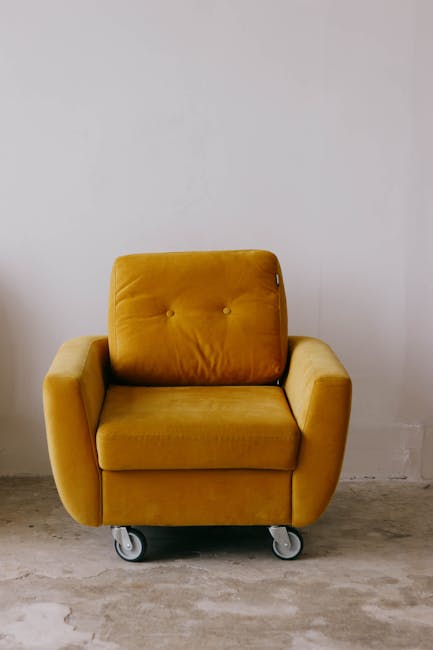
Upholstery Cleaning on Upper Richmond Road, Putney
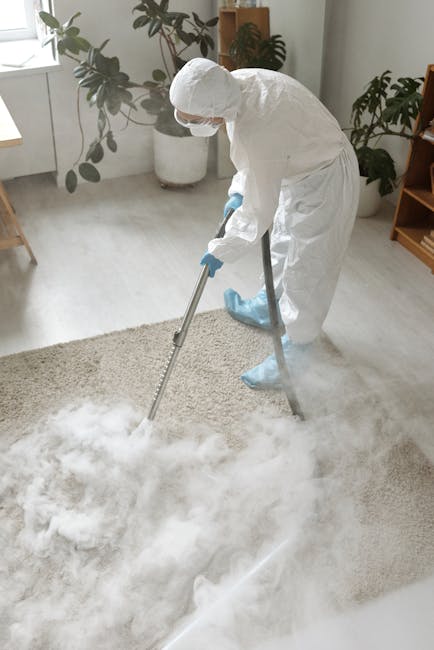
If your sofa has started to look a bit tired, your armchair has picked up that faint lived-in smell, or the dining chairs near the window are showing everyday marks, you are not alone. Upholstery cleaning on Upper Richmond Road, Putney is one of those services people usually think about only when stains become obvious - and by then, the fabric has often already absorbed a fair bit of dust, oils, crumbs, pet hair, and general London life.
This guide explains what upholstery cleaning involves, why it matters in a busy Putney setting, how the process works, and what to look for before you book. Whether you are dealing with a small flat, a family home, rented furniture, or a commercial seating area, the aim is the same: to help your fabric furniture look better, feel fresher, and last longer without guesswork.
To make it easier to scan, here is a quick table of contents.
- Why Upholstery Cleaning on Upper Richmond Road, Putney Matters
- How Upholstery Cleaning on Upper Richmond Road, Putney Works
- Key Benefits and Practical Advantages
- Who This Is For and When It Makes Sense
- Step-by-Step Guidance
- Expert Tips for Better Results
- Common Mistakes to Avoid
- Tools, Resources and Recommendations
- Law, Compliance, Standards, or Best Practice
- Options, Methods, or Comparison Table
- Case Study or Real-World Example
- Practical Checklist
- Conclusion
- Frequently Asked Questions
Why Upholstery Cleaning on Upper Richmond Road, Putney Matters
Upper Richmond Road runs through a busy part of Putney where homes, shops, cafes, offices, and transport links all create a steady flow of daily wear. Upholstery picks up the consequences quietly. You do not always see the build-up at first, which is annoying, really. One week the sofa looks fine, and the next you notice the armrest has gone dull and the cushions have lost their brightness.
Upholstery cleaning matters because fabric furniture is used in a very direct way. People sit, eat, nap, work, and sometimes even spill a cup of tea there before they have fully realised what happened. Oils from skin and hair transfer into fibres. Dust settles in seams. Pet dander clings to textured fabric. If you live near a main road, airborne grime can also settle faster than you expect.
In Putney homes, there is also the simple matter of upkeep. A well-cleaned sofa or chair gives the whole room a calmer feel. It does not shout for attention. It just quietly makes the space feel looked after. That matters if you are preparing for guests, managing a rental property, or trying to keep a family home reasonably fresh without replacing furniture too soon.
Expert summary: upholstery cleaning is not just about removing visible stains. It is about preserving fabric condition, improving day-to-day comfort, and preventing gradual wear that becomes expensive later on.
How Upholstery Cleaning on Upper Richmond Road, Putney Works
Professional upholstery cleaning is usually a staged process rather than a single spray-and-wipe job. The exact method depends on the fabric type, the level of soiling, and how the item has been used. A good cleaner starts by identifying the material because not every fabric likes the same treatment. That part sounds obvious, but it is where a lot of damage can be avoided.
Most upholstery cleaning follows a familiar pattern:
- Inspection: The cleaner checks the fabric, joins, labels, wear points, and any stains or odours.
- Pre-treatment: Dry soil may be loosened first, and specific stains are treated with appropriate solutions.
- Deep cleaning: Depending on the fabric, this may involve hot water extraction, low-moisture cleaning, dry cleaning techniques, or a foam-based approach.
- Agitation and dwell time: Cleaning products are worked into the fibres carefully so they can lift dirt effectively.
- Extraction or removal: Soil and solution are removed as fully as possible to avoid residue.
- Final checking: Remaining marks are assessed, and drying advice is given.
If you have ever tried to clean a sofa yourself with too much water, you will know why this matters. Fabric can look clean for an hour and then dry unevenly, leaving water rings or a faint crunchy feel. Not ideal. A proper process aims to avoid that and, just as importantly, avoid over-wetting the furniture.
For some items, cleaning may be paired with related services such as sofa cleaning, curtain cleaning, or mattress cleaning if the whole room needs a more complete refresh. That is often the sensible route when you want the space to feel properly reset rather than just spot-treated.
Key Benefits and Practical Advantages
There are the obvious benefits, and then there are the ones people notice after a week or two. The obvious ones are cleaner-looking fabric and better stain removal. The subtler ones are more interesting.
Here are the main advantages of upholstery cleaning on Upper Richmond Road, Putney:
- Improved appearance: Colours often look brighter and fibres look less flattened.
- Better freshness: Stale smells from pets, food, or everyday use are reduced.
- Longer furniture life: Dirt acts a bit like sandpaper over time, so removing it helps reduce wear.
- More hygienic living space: Dust and allergens trapped in fabric can be reduced, even if not eliminated entirely.
- Better impression for visitors or tenants: Clean upholstery can make a room feel much better maintained.
- Cost avoidance: In many cases, cleaning is far cheaper than early replacement.
One practical benefit that is often overlooked is consistency. A sofa can have one visible stain and still feel "off" because the rest of the fabric has gradually dulled. Clean all over, and suddenly the room makes sense again. It is a bit like washing a window you had stopped noticing.
Good upholstery cleaning does not just remove one mark. It restores the overall feel of the furniture, which is usually what people are actually trying to get back.
Who This Is For and When It Makes Sense
Upholstery cleaning is useful for a wider range of people than most expect. You do not need a dramatic stain to justify it. In fact, waiting for a disaster is usually the expensive choice.
This service makes sense if you are:
- a homeowner noticing everyday build-up on sofas, chairs, or soft furnishings
- a tenant wanting the place to feel fresher before moving out
- a landlord or letting agent maintaining presentation standards
- a busy family dealing with food spills, muddy hands, or general wear
- a pet owner trying to manage odours and fur embedded in fabric
- a local business with seating in a reception area, waiting room, or office lounge
- someone preparing for visitors, a sale, or a property inspection
It also makes sense after a seasonal reset. Early spring and late autumn are common times to notice what has quietly gathered over the months. The heating has been on, windows have been closed more often, and fabric has held onto that indoor air longer than you might think. A clean-up then can make the room feel lighter, which is a nice feeling on a grey Putney afternoon.
If you are comparing broader cleaning needs, a service such as deep cleaning or one-off cleaning may be worth considering alongside upholstery work, especially when the whole property needs attention rather than just the furniture.
Step-by-Step Guidance
If you want to understand what a proper upholstery cleaning visit should look like, this step-by-step outline is a good reference point. It is useful whether you are booking a service or simply checking that the process sounds sensible.
1. Identify the fabric and condition
Before anything is applied, the item should be checked carefully. Cotton, wool blends, synthetics, velvet, microfibre, and mixed materials can all react differently. Some fabrics are more forgiving. Others are, frankly, a bit fussy. If the cleaner skips this stage, that is not a great sign.
2. Remove loose debris
Dry soil, crumbs, pet hair, and dust should be removed first. This helps the cleaning product work properly and prevents the surface dirt from turning into sludge during treatment. Nobody wants that, obvious as it sounds.
3. Treat problem areas
Spots from coffee, food, ink, body oils, or pet accidents usually need targeted pre-treatment. The right approach depends on the stain type and how long it has been there. Fresh spills are generally easier, though not always.
4. Clean the upholstery using the right method
The method may be hot water extraction for suitable fabrics, a low-moisture process for more delicate items, or specialised stain and odour treatment. The best method is the one that matches the fabric and the condition of the item - not just the one that sounds most powerful.
5. Remove residue as far as possible
Cleaning products should not be left sitting in the fibres. Residue can attract dirt again or leave the fabric feeling sticky. Good extraction matters. It really does.
6. Dry properly
Drying is part of the job, not an afterthought. Good ventilation, sensible room temperature, and avoiding immediate heavy use all help. On a damp London day, drying may take longer than you hoped, so plan a bit of time rather than trying to sit on the sofa ten minutes later.
7. Review the result
Once dry, the upholstery should be checked for remaining marks, texture changes, or repeat spots that may need attention. A final review helps avoid that awkward "it looked fine while wet" moment.
Expert Tips for Better Results
Here is where small habits make a big difference. In our experience, upholstery stays in better shape when people treat spills early and clean more strategically, not just more aggressively.
- Blot, do not rub. Rubbing spreads many stains and pushes them deeper into the weave.
- Check care labels. They are not glamorous, but they matter more than people think.
- Vacuum regularly. Weekly if possible. More often if you have pets.
- Rotate cushions. Even wear helps prevent one side going flat faster.
- Keep food and drinks in sensible zones. The sofa is not a dining table, tempting as it may be on a Friday night.
- Test spot treatments carefully. A hidden patch is the place for experimentation, not the front cushion.
- Act quickly on odours. Smells tend to linger in fabrics longer than visible marks.
A small but useful trick: if a spill happens, use a clean white cloth and press gently from the outside of the stain inward. It sounds minor, but it can stop the mark spreading into a bigger halo. Tiny detail, big payoff.
If you have mixed soft furnishings in the same room, combining upholstery care with rug cleaning or specialist stain removal can help the entire space feel more coherent. One clean item next to three grubby ones can look a bit odd, truth be told.
Common Mistakes to Avoid
There are a few mistakes that show up again and again. The good news is that most are avoidable.
- Using too much water: Over-wetting can leave marks, lengthen drying times, and cause fabric distortion.
- Applying the wrong product: Not all cleaners suit all fabrics, and some products can set stains or damage dyes.
- Scrubbing hard: Force does not equal effectiveness. It often makes matters worse.
- Ignoring odours: If something smells off, the issue may be deeper than the surface.
- Skipping a pre-test: A hidden area should be checked before treating the visible part.
- Using heat carelessly: Some fabrics react badly to hot air or high heat drying.
- Waiting too long: Fresh stains are usually simpler than old, oxidised ones.
One more: assuming every sofa can be treated the same way. It cannot. That is how people end up with patchy results or, worse, fabric that feels different in one area. A good cleaner knows when to slow down.
Tools, Resources and Recommendations
Good upholstery cleaning usually depends on the right combination of tools, technique, and judgement. You do not need every gadget under the sun. You need the right ones for the fabric and the problem.
Common tools and materials may include:
- an upholstery vacuum tool with controlled suction
- microfibre cloths for delicate blotting and finishing
- fabric-safe pre-sprays or spot treatments
- soft brushes for gentle agitation
- water extraction equipment for suitable fabrics
- low-moisture application systems for quicker drying
- odour treatment products designed for soft furnishings
For people comparing cleaning services across the property, it can help to look at related options such as carpet cleaning, steam carpet cleaning, and regular cleaning. That broader approach often makes sense if dust and wear are not limited to the furniture alone.
It is also sensible to ask about practical matters up front: drying time, stain expectations, product suitability, and whether the fabric is checked before work begins. Those questions are not fussy. They are just smart.
| Method | Best for | Typical strengths | Things to watch |
|---|---|---|---|
| Hot water extraction | Durable fabric upholstery | Deep soil removal, strong overall refresh | Can be slower to dry if overused |
| Low-moisture cleaning | Sensitive fabrics and quicker turnaround | Reduced drying time, less saturation | May need careful stain treatment first |
| Foam or encapsulation-style cleaning | Light to moderate soil | Useful for maintenance and faster drying | Not always enough for heavily embedded grime |
| Targeted stain treatment | Isolated marks and spill spots | Focused results on problem areas | Only works well when paired with suitable overall cleaning |
Law, Compliance, Standards, or Best Practice
For upholstery cleaning, the main compliance concerns are usually practical rather than legal drama. In the UK, a service provider should work safely, use products responsibly, and be able to explain any risks or limitations clearly. If chemicals are used, sensible handling, ventilation, and dilution matter. If electrical equipment is used, it should be maintained and operated properly. Nothing flashy. Just basic professionalism, really.
Where a property is rented or commercially occupied, there may also be expectations around cleanliness, presentation, and safe access. That is especially relevant in communal areas, offices, or managed buildings. A cleaner should not leave surfaces overly wet, create slip hazards, or damage nearby furnishings while working.
Best practice includes:
- checking fabric suitability before treatment
- explaining likely outcomes honestly, especially for old stains
- using appropriate drying advice
- protecting surrounding floors and finishes where needed
- handling pet accidents or biological contamination cautiously
- being upfront about what cannot be guaranteed
If you are comparing providers, useful trust signals include clear policies on health and safety, insurance and safety, and terms and conditions. Those pages do not make the work itself better, of course, but they do tell you how seriously a business takes the job.
Options, Methods, or Comparison Table
If you are deciding how to approach upholstery cleaning, the main question is not always "What is the strongest method?" It is "What is the safest effective method for this fabric and this level of soiling?" That distinction saves a lot of hassle.
| Option | Pros | Cons | Best use |
|---|---|---|---|
| DIY spot cleaning | Cheap, immediate, handy for tiny spills | Risk of spreading stains or damaging fabric | Fresh, minor marks on robust fabric |
| Hire a machine | Accessible, can handle larger areas | Learning curve, equipment may be heavy or underpowered | Small jobs where you are confident in the fabric type |
| Professional upholstery cleaning | Better assessment, stronger control, safer on mixed fabrics | Higher upfront cost | Delicate items, stubborn stains, odours, or whole-room refreshes |
| Replace the furniture | Starts completely fresh | Usually the most expensive choice | Severely worn, damaged, or structurally compromised pieces |
For most people on Upper Richmond Road, Putney, professional cleaning is the middle path that actually makes sense. Not too minimal, not too drastic. Just proper care without replacing a perfectly decent sofa because one arm has seen a few too many breakfast crumbs.
Case Study or Real-World Example
Here is a realistic example. A family in a Putney flat had a pale fabric sofa that looked fine from a distance but had gradually taken on a dull, patchy finish. The main problem was not one huge stain. It was a combination of everyday marks: hand oils on the arms, a little food residue near the seat cushions, and a faint pet smell that had crept in over time.
The first step was a careful fabric check, because the sofa had mixed fibres and a slightly raised texture. A targeted pre-treatment was applied to the heavily used sections, followed by a controlled deep clean with extra attention to moisture management. The cleaner also focused on the seams, where crumbs and dust often hide. You know that moment when you tip a cushion and there is a small forgotten world underneath? Yes, that sort of thing.
After drying, the sofa did not look brand new - that would be unrealistic - but it looked noticeably fresher, brighter, and more even. More importantly, the room felt cleaner overall. The family had not expected the odour improvement to be so noticeable, but that often happens with soft furnishings. They absorb a lot more than people realise.
The takeaway from situations like this is simple: if the furniture is still structurally good, cleaning can buy you a lot more usable life. Sometimes quite a lot more.
Practical Checklist
Use this checklist before booking upholstery cleaning on Upper Richmond Road, Putney or preparing for the visit.
- Identify the main pieces that need cleaning
- Check the fabric type or care label if available
- Note any visible stains, odours, or worn areas
- Remove loose items, cushions, throws, and clutter around the furniture
- Vacuum lightly if the cleaner has asked you to prep the area
- Think about pets and access during the appointment
- Ask how long drying is likely to take
- Confirm whether specialist stain or odour treatment may be needed
- Protect nearby flooring or delicate items if necessary
- Plan a few hours where the furniture can be left alone after cleaning
Quick practical note: if you are refreshing multiple soft furnishings at once, it is usually easier to do them in one visit rather than spacing them out awkwardly over several weeks. Cleaner room, less faff.
Conclusion
Upholstery cleaning on Upper Richmond Road, Putney is a practical way to restore comfort, freshness, and appearance without overcomplicating the job. The real value is not just in removing a mark. It is in bringing a sofa, chair, or soft furnishing back to a state where it feels looked after again.
If you choose the right method, ask sensible questions, and avoid the usual DIY mistakes, you give your furniture a much better chance of lasting well. That matters in a busy area like Putney, where homes and businesses see plenty of everyday use and a fair bit of dust, foot traffic, and general life. Nothing dramatic. Just real life, which is often enough.
If your upholstery is looking dull, stained, or a bit tired around the edges, now is a good time to sort it before the issue becomes more stubborn. A clean, fresh room has a way of making everything else feel more manageable.
Get a free quote today and see how much you can save.
Frequently Asked Questions
How often should upholstery be professionally cleaned?
For most homes, every 12 to 24 months is a sensible starting point, though homes with pets, children, or heavier use may benefit from more frequent cleaning. The right timing depends on how quickly the fabric picks up dirt, odours, and visible wear.
Can all upholstery fabrics be cleaned the same way?
No. That is one of the easiest ways to cause damage. Natural fibres, synthetic blends, velvet, and delicate fabrics all respond differently. A proper cleaner should identify the material before choosing a method.
Will upholstery cleaning remove old stains?
Sometimes, but not always completely. Fresh stains are usually easier than old ones, especially if they have been heated, rubbed, or left to oxidise. A good cleaner will be honest about what can realistically be improved.
How long does upholstery take to dry?
Drying time varies by fabric, method, room temperature, and ventilation. Some items dry quite quickly, while others may need several hours or longer. It is best to plan ahead rather than using the furniture too soon.
Is upholstery cleaning safe for pets and children?
It can be, provided suitable products are used and the furniture is allowed to dry properly before normal use resumes. If there are pets in the home, odour and accident treatment may also be worth discussing in advance.
Does upholstery cleaning help with smells?
Yes, in many cases. Soft furnishings can hold onto food smells, pet odours, and general household dampness. Cleaning can reduce those odours significantly, although severe or deep-set smells may need targeted treatment.
Should I vacuum my sofa before a cleaner arrives?
Usually yes, unless you have been told otherwise. A light vacuum helps remove loose dust and crumbs, making the deeper cleaning process more effective. It is a simple step that helps more than people expect.
What is the difference between sofa cleaning and upholstery cleaning?
Sofa cleaning is a specific type of upholstery cleaning focused on sofas. Upholstery cleaning is broader and can include chairs, dining seats, stools, headboards, and other fabric-covered furniture.
Can I clean upholstery myself with supermarket products?
You can try small spot treatments, but it is risky if you are unsure about the fabric or stain type. Some products can leave residue, spread stains, or affect colour. For valuable or delicate items, professional cleaning is often the safer route.
How do I know if my sofa needs cleaning or replacing?
If the frame is sound and the upholstery is structurally intact, cleaning is often worth trying before replacement. If the fabric is torn, the filling has collapsed, or the item is badly damaged, replacement may be more practical.
What should I ask before booking upholstery cleaning on Upper Richmond Road, Putney?
Ask what method will be used, how the fabric will be checked, whether stain treatment is included, how long drying is likely to take, and whether any risks or limitations apply. Clear answers are a good sign.
Can upholstery cleaning be combined with other services?
Yes, and it often makes sense. Many people combine it with carpet, curtain, mattress, or general home cleaning so the whole room feels fresher rather than only one item being cleaned in isolation.