Carpet Cleaning
 Upholstery Cleaning
 End Of Tenancy Cleaning
 Domestic Cleaning
 House Cleaning
 Office Cleaning


Wandsworth Council rules for carpet waste disposal in Putney
Posted on 10/06/2026
If you are staring at an old carpet rolled up in the hallway and wondering what to do next, you are not alone. The Wandsworth Council rules for carpet waste disposal in Putney can feel a bit unclear at first, especially if you are moving house, replacing flooring, or clearing out a flat after a busy few years. Truth be told, carpet disposal is one of those jobs that looks simple until you actually have to carry it out.
This guide explains the practical side of getting rid of carpet waste in Putney, with a focus on what residents usually need to think about before they start dragging heavy rolls down the stairs. You will learn the common disposal routes, what counts as bulky waste, how to avoid simple mistakes, and how to keep the process tidy, legal, and less stressful. If you are also planning a deeper refresh at home, you may find our carpet cleaning in Putney information useful alongside disposal planning.
One small note before we get into it: council rules and collection arrangements can change, so it is always wise to double-check the latest local guidance before you book anything or leave waste outside. That little bit of caution can save a lot of bother.
Practical takeaway: most carpet waste problems in Putney come down to size, sorting, access, and whether the material is being taken to a suitable disposal route. Plan those four things first and the rest gets much easier.

Why Wandsworth Council rules for carpet waste disposal in Putney Matters
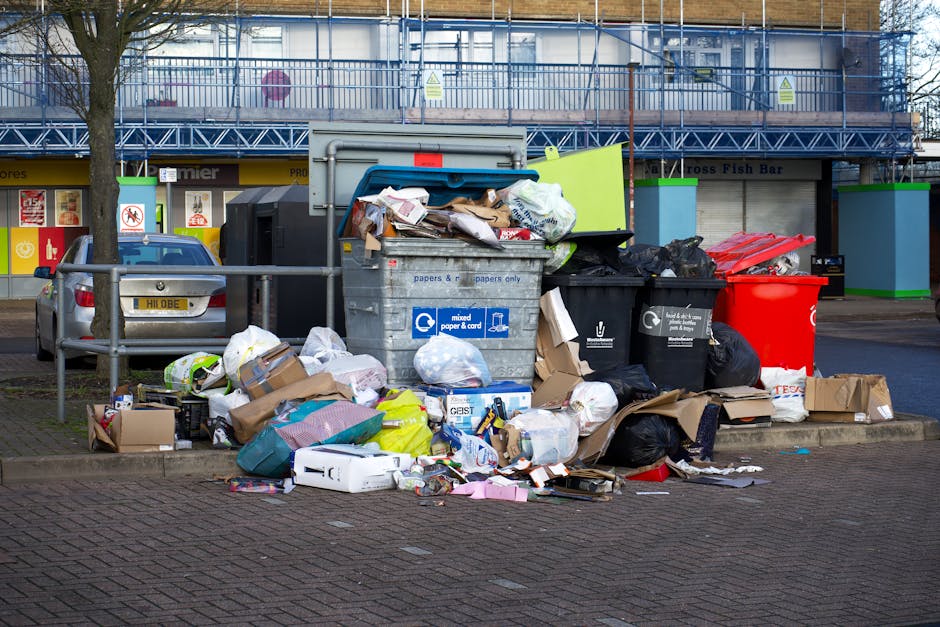
Carpet is not just another bag of rubbish. It is bulky, awkward, often dusty, and sometimes attached to underlay, grippers, adhesive residue, or old fixings. That means the way you dispose of it matters. In a place like Putney, where many homes are flats, converted houses, and managed properties with shared entrances, disposal becomes even more important because access, storage, and timing can affect neighbours as well as your own move.
Following the right process helps you avoid fly-tipping, nuisance complaints, and the very annoying sight of a rolled carpet sitting in a communal hallway because "someone was going to collect it later". We have all seen that sort of thing. It never ends well.
There is also a straightforward safety angle. Old carpets can be heavy and awkward, and if they are damp or contaminated they may carry odours or mould. If you are dealing with pet accidents or stale smells as well as replacement flooring, our article on pet odour and stain treatment in Putney flats may help you decide whether cleaning is possible before disposal.
For landlords, agents, tenants, and homeowners, getting disposal right also supports a smoother handover. End of tenancy deadlines are tight, and carpet waste left too late can create a domino effect: cleaners cannot finish, decorators are delayed, and keys are not returned on time. If that sounds familiar, take a look at end of tenancy cleaning in Putney for the wider clearance picture.
There is another quiet benefit too: when waste is sorted properly, reusable or recyclable materials have a better chance of being processed appropriately. Not every old carpet can be saved, of course, but good handling is still better than guesswork.
How Wandsworth Council rules for carpet waste disposal in Putney Works
At a practical level, carpet disposal usually falls into one of a few broad routes: kerbside collection where available, booking a bulky waste service if offered, taking it to a suitable household waste site, or arranging a licensed waste carrier for larger jobs. The right option depends on how much carpet you have, how easy it is to move, and whether it is part of a wider clear-out.
The key thing is that carpet is usually treated as bulky household waste rather than ordinary weekly bin waste. You should not expect to fit a rolled lounge carpet into a normal wheelie bin. That sounds obvious, but people do try. Every week, somewhere, someone tries.
In shared Putney properties, there can also be building rules on top of council guidance. A managing agent may require waste to be removed at certain times, may not permit items in communal areas, or may ask for proof that the waste has been collected legally. That is especially common in blocks where service corridors are narrow and neighbours are close by.
Before you choose a disposal method, it helps to think about the condition of the carpet. A lightly worn carpet from a dry room is one thing. A water-damaged hallway runner with mould or embedded pet odour is another. Cleaning might extend its life, but if the carpet is beyond saving, disposal should be planned carefully and quickly.
If you are preparing a property for occupants, a combined approach often makes the most sense: remove the waste, clean the space, and then address any soft furnishing or floor contamination. Our home cleaning Putney SW15 page is useful if you want the wider property reset, not just the carpet out of the door.
Key Benefits and Practical Advantages
Doing carpet waste disposal properly is not just about keeping the council happy. It has real, everyday advantages.
- Less risk of fines or complaints: left-out waste can be reported, and nobody wants a surprise issue during a move.
- Easier access for cleaners and decorators: a clear floor means the next job can start without delay.
- Better communal relations: in flats and estates, tidy waste handling is simply good manners.
- Safer handling: rolled carpet, underlay, and tack strips can cause injuries if rushed.
- Cleaner results overall: removing old carpet properly can improve odour control and make deep cleaning more effective.
There is also a useful mental benefit. Once the old carpet is dealt with, the room feels lighter. It sounds a bit dramatic, maybe, but anyone who has stripped a room back to bare floor knows the feeling. Dust everywhere, yes, but also a sense that the job is finally moving.
For homeowners thinking about a fresh start, this is often the point where they begin planning the next stage: new flooring, redecoration, or a complete spring clean. If you want to bundle tasks efficiently, our domestic cleaning Putney page may be worth a look after disposal is sorted.
Who This Is For and When It Makes Sense
This topic is relevant to a surprisingly wide group of people in Putney. It is not only for people ripping out every carpet in the house. In practice, it is useful for:
- tenants moving out of rented flats
- landlords preparing a property between lets
- homeowners replacing worn flooring
- estate agents managing turnaround schedules
- office managers dealing with refurbishment waste
- busy families tackling a room-by-room reset
The question is often not "Do I need to dispose of this carpet?" but "What is the easiest lawful way to do it without creating a mess or extra cost?" That depends on your situation.
If you live in a flat above a shop on or near Putney High Street, for example, the access issue may matter more than the volume of waste. If you are clearing a whole house, the volume and timing may matter more. And if you are handling an end-of-tenancy changeover, the deadline tends to boss everyone around a bit.
For those managing larger or repeated cleanouts, it can be useful to combine carpet waste disposal with related services. You can also read more about the broader property and local context in a local resident's view of Putney, which gives a helpful sense of how everyday living here shapes practical decisions.
Step-by-Step Guidance
If you want to handle carpet waste with the least drama, keep the process simple. Here is the order that usually works best.
- Measure and assess the carpet. Note how many rooms are involved, whether the carpet is loose or fixed, and whether underlay is included.
- Check its condition. If it is dry and reasonably clean, you may have more disposal options. If it is mouldy, damp, or contaminated, be more cautious.
- Remove fixtures safely. Lift grippers, staples, and nails carefully. This is where gloves and decent tools matter.
- Roll and secure the carpet. Tape or tie each roll so it stays manageable. Long loose strips are a nuisance and a hazard.
- Separate materials where practical. Carpet, underlay, wood, and metal fittings are not always treated the same way.
- Choose the right disposal route. Use the most suitable council-approved or licensed route for the size and type of waste.
- Plan the collection day. Avoid blocking access and avoid leaving waste out early if your building or council guidance discourages it.
- Clean the exposed area. A quick vacuum and wipe down make a big difference before the next stage begins.
A small but useful detail: if you are lifting carpet from stairs or narrow hallways, work in shorter sections. It is slower, yes, but far less stressful than trying to carry one giant awkward roll through a twisting landing. Let's face it, one giant roll always seems to catch on the bannister at the worst possible moment.
A simple decision rule
If the carpet is only one room, dry, and easy to carry, a straightforward disposal route may be enough. If it is several rooms, includes underlay, or involves upstairs access in a busy block, a more organised collection plan is usually the smarter move.
Expert Tips for Better Results
After handling a fair few messy clear-outs, a few patterns become obvious. The people who manage carpet disposal smoothly tend to do the boring bits well. That is the real secret.
- Cut before you carry. Smaller sections are easier to manage than one huge length from bedroom to front door.
- Protect shared areas. Use dust sheets or cardboard on staircases and landings if the route is tight.
- Keep a rubbish bag for the small stuff. Fixings, grit, and old adhesive scraps add up quickly.
- Do not mix wet and dry waste. Damp carpet can spread odour fast, especially in warm weather.
- Check access before collection day. Parking, lift use, and door codes can turn a quick job into an all-morning puzzle.
- Take photos before and after. This is useful for landlords, tenants, and anyone who needs proof of a clear handover.
If your carpet removal is part of a larger clean, timing matters too. The best results often come when waste removal happens before heavy cleaning, not after. That way, you avoid dragging dust back into the room you just finished.
For readers comparing service options or trying to understand what drives labour and collection costs, our article on why Putney carpet cleaning prices can vary offers useful context. It is not about waste disposal alone, but the practical cost logic is similar: access, size, condition, and time all influence the result.
Common Mistakes to Avoid
Most problems with carpet waste are avoidable. The tricky part is that the mistakes seem small at the start.
- Leaving carpet in a communal area. Even briefly, this can create obstruction and complaints.
- Assuming all waste can go together. Underlay, carpet grippers, metal strips, and fittings may need separate handling.
- Forgetting about hidden debris. Old carpet often hides dust, nails, and grit along the edges.
- Ignoring damp or mould. Smelly carpet is not just unpleasant; it can make the whole flat feel unclean.
- Using an unlicensed carrier. If someone offers to "just take it away" without clarity, be careful.
- Booking too late. Disposal delays are a common reason moving-day stress spirals.
Another common one? Not measuring door widths or stair turns. It sounds silly until you are stuck halfway down a staircase with a roll that is somehow both too big and too floppy. British housing, eh. Gorgeous, but not always disposal-friendly.
Tools, Resources and Recommendations
You do not need a warehouse full of equipment for carpet disposal, but a few sensible tools make the job safer and faster.
- heavy-duty gloves
- utility knife with a fresh blade
- mask if dust or fibres are being disturbed
- strong tape or twine for rolling and tying
- dust sheets or protective covers for hallways
- basic hand truck or helper for larger rolls
- bags for fittings, trim, and small debris
For planning purposes, it helps to pair disposal with the rest of the property reset. If you are dealing with a full home refresh, you may also want to review the services overview so you can coordinate cleaning tasks in a sensible order. And if you are comparing service quality or want reassurance before booking anything, our customer reviews page can help you understand how others have approached similar jobs.
One recommendation that often gets overlooked: keep a simple written note of what has been removed, when, and by whom. That is especially helpful for landlords, letting agents, and managing agents. Not glamorous, but very practical.
Law, Compliance, Standards, or Best Practice
When dealing with carpet waste in Putney, the main compliance principle is simple: waste should be handled responsibly and sent through lawful channels. That usually means not dumping it, not blocking access with it, and not handing it to someone unless you have reasonable confidence they are operating properly.
In the UK, waste duty of care principles apply in everyday life even when you are just clearing a flat. The safe, common-sense approach is to make sure your waste goes to an appropriate disposal method and that anyone carrying it away is legitimate. If you are using a third party, ask questions. Who is collecting it? Where is it going? Is it appropriate for the type of material involved? Those are fair questions, not fussy ones.
Best practice also means thinking about household and communal safety. For example, carpet with mould, pests, or chemical contamination should be handled more cautiously than ordinary worn flooring. You do not want fibres, dust, or residues spreading through a stairwell on a windy afternoon.
There is also a neighbourly standard at play in places like Putney. Shared living means timing, noise, and access matter. A polite collection plan is not just nice, it is often the fastest way to avoid complications. A lot of waste disputes begin with poor communication, not bad intent.
If your carpet disposal is part of a wider move-out or business turnaround, it may help to look at related property guidance such as Putney property buying tips or unlocking profitable real estate in Putney. These pieces do not cover waste rules directly, but they do show how local property decisions often connect to maintenance and turnaround work.
Options, Methods, or Comparison Table
There is no single best method for everyone. The right choice depends on volume, access, timing, and whether the carpet is part of a one-off room refresh or a full property clearance.
| Method | Best for | Pros | Watch-outs |
|---|---|---|---|
| Kerbside or scheduled collection | Small to moderate amounts | Convenient, simple, often easiest for residents | Must follow collection rules carefully and avoid blocking access |
| Household waste site drop-off | People with transport and flexible timing | Good for mixed waste and larger loads | Requires carrying, loading, and vehicle access |
| Licensed waste carrier | Large removals, flats, landlords, busy households | Least hands-on for the resident, especially on moving day | Needs careful checking and planning |
| Reuse or donation route | Clean, reusable carpet in decent condition | Potentially waste-saving and practical | Not suitable for damaged, stained, or heavily worn carpet |
As a rule of thumb, if the carpet is awkward but modest in quantity, collection-based disposal is usually easier. If the project is larger or part of a refurbishment, a carrier often makes more sense. And if the carpet is still usable, it is worth pausing before you bin it. Not every old carpet deserves a second life, but some do.
Case Study or Real-World Example
Imagine a Putney tenant moving out of a two-bedroom flat near a busy road. One bedroom carpet is clean but faded, the hallway runner has heavy edge wear, and the lounge carpet smells faintly of pets after years of family life. The tenant needs to hand back the property on a Friday morning.
The smart move here is not to wait until Thursday night and hope for the best. First, the tenant separates the carpet by room. The cleaner bedroom carpet is assessed for reuse or disposal. The hallway runner and lounge carpet are rolled, taped, and measured against access routes. Any grippers and metal strips are bagged separately. Then the flat is cleaned, and only after that is the waste removed or collected.
What usually goes wrong in a scenario like this? People leave everything to the final day. They forget access restrictions. They ignore underlay. Or they discover, slightly too late, that the collection vehicle cannot get close enough to the building entrance.
What went right in this example? Planning. Nothing glamorous. Just simple, practical planning. That is most of the battle. The tenant avoids a rushed hallway mess, the landlord gets a cleaner handover, and the building stays calm. A bit ordinary, yes. But ordinary is good when you are moving out.
If the same property also needs a fresh clean after the carpet is gone, our house cleaning in Putney page may be useful for the next stage, and office cleaning in Putney is relevant if you are managing commercial premises instead of a home.
Practical Checklist
- Confirm how much carpet you are disposing of
- Check whether the carpet is dry, damp, mouldy, or contaminated
- Remove and bag grippers, nails, and metal strips safely
- Roll carpet into manageable sections
- Protect communal areas and staircases
- Choose the most suitable disposal route for the load
- Check timings, access, and parking before collection day
- Keep proof or notes if you are a landlord or managing agent
- Clean the exposed room after removal
- Recheck building or property rules before leaving anything outside
If you are working through a whole property rather than a single room, it can help to coordinate the cleaning side as early as possible. That way, carpet removal, deep cleaning, and final inspection all fit together instead of tripping over each other.
Conclusion
The Wandsworth Council rules for carpet waste disposal in Putney are easiest to follow when you treat carpet as bulky, awkward waste that needs a proper plan. Measure it, roll it, separate what you can, and choose the disposal route that suits the property, the timing, and the access. That simple approach avoids most of the usual stress.
For Putney residents, the real challenge is often not the rule itself but the practical setting: flats, shared entrances, tight staircases, parking pressure, and move-out deadlines. Once you take those into account, the whole process becomes much more manageable. A little planning really does go a long way here.
Get a free quote today and see how much you can save.
And if you are still in the middle of a clear-out, take a breath. One room at a time, one roll at a time. That is usually how the job wins in the end.